
Top 10 Common Property Law Issues Homeowners Face
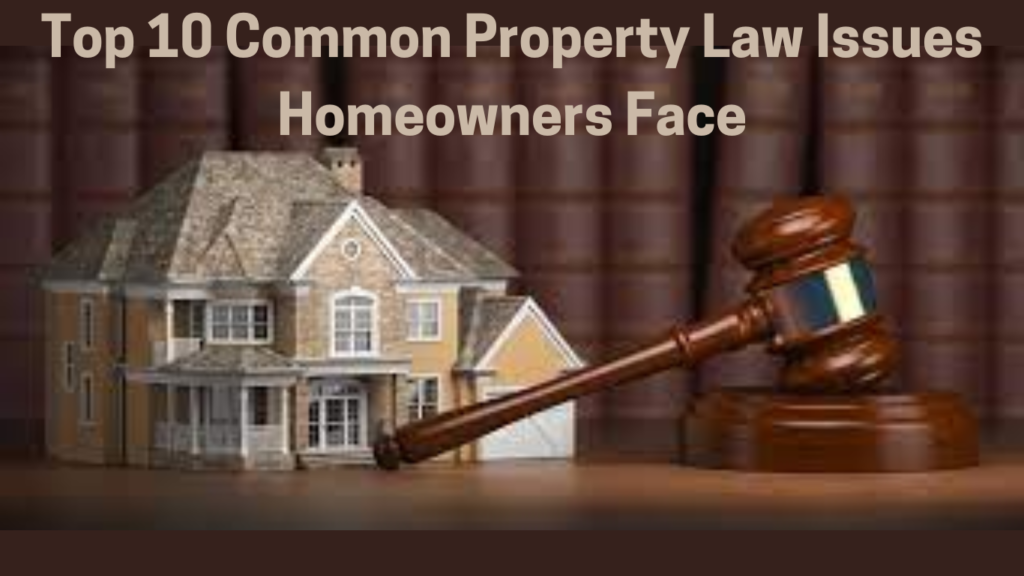
Owning a home is a dream for many, but with ownership comes a range of legal responsibilities and challenges. Property laws are crucial in guiding homeowners through the rights and responsibilities associated with their property, yet navigating these laws can sometimes be complex. Whether you’re a first-time homeowner or someone with years of experience, being aware of common property law issues can save you time, money, and stress.
Here are the top 10 property law issues homeowners often face:
- Boundary Disputes
One of the most common property law issues homeowners face is boundary disputes. These arise when neighbors disagree about where their property lines lie. This can result from vague or conflicting property surveys, or even long-standing misunderstandings. Resolving boundary disputes often involves reviewing land surveys, legal documents, and sometimes, seeking court intervention. Homeowners should ensure their property boundaries are clearly defined before making any major property changes.
- Title Issues
Title issues are another significant challenge in property ownership. A “title” refers to the legal right to own and use a property. If a title is unclear or disputed, it can prevent the homeowner from selling or using the property as they wish. Problems like outstanding liens, unpaid taxes, or unclear inheritance of property can cloud the title. To avoid title issues, homeowners should perform thorough title searches before purchasing a property and consider purchasing title insurance.
- Zoning and Land Use Violations
Zoning laws determine how a property can be used. Homeowners who wish to build on or renovate their property may face legal challenges if their plans violate local zoning laws. For instance, building a structure taller than allowed, running a business from a residential home, or making alterations without proper permits could lead to fines or forced removal of the structure. It’s essential to check local zoning regulations and obtain the necessary permits before making any significant changes to your property.
- Easements and Encroachments
Easements allow someone else the right to use part of your property for a specific purpose, such as a neighbor having a right of way across your land. While easements are common, they can cause disputes if property boundaries or rights are not well defined. Encroachments, where one property owner builds on or extends into another’s land (e.g., a fence or tree), can also lead to legal battles. It’s important to be aware of any easements or encroachments on your property and understand your legal rights if disputes arise.
- Homeowner Association (HOA) Conflicts
Many properties are governed by Homeowners Associations (HOAs), which enforce rules about the appearance and use of property within a community. Homeowners may find themselves in legal disputes with their HOA over things like property maintenance, noise complaints, or violations of community rules. Before purchasing property in an HOA-managed area, it’s important to understand the association’s rules and fees and to seek legal advice if disputes arise.
- Property Tax Issues
Property tax problems are another common issue for homeowners. If property taxes are not paid, the local government can place a lien on the property and eventually foreclose on it. Disputes may also arise if the homeowner believes their property has been incorrectly valued, resulting in higher-than-expected property taxes. Homeowners have the right to challenge property tax assessments, but this process often involves legal proceedings and appeals.
- Contract Disputes with Contractors
When hiring contractors for home renovations, repairs, or construction projects, homeowners may encounter disputes over contracts. These can involve issues like unfulfilled terms, substandard work, or delays. Property law plays a key role in ensuring that both parties uphold their agreements. Homeowners should always have clear, written contracts, and consider legal recourse if the contractor fails to meet their obligations.
- Evictions and Tenant Rights
For homeowners who rent out property, understanding property laws surrounding tenant rights and eviction procedures is essential. Disputes over unpaid rent, property damage, or lease violations can quickly escalate to legal action. Landlords must follow specific legal procedures to evict a tenant, and tenants have rights that protect them from unlawful eviction. Homeowners should familiarize themselves with local landlord-tenant laws and always ensure they comply with the proper legal process when dealing with tenants.
- Inheritance and Property Ownership Disputes
Property law issues often arise when property is inherited. Disputes may occur between family members over who is entitled to inherit a property, especially if a will is unclear or if the property is subject to multiple claims. These disputes can drag on for months or even years, especially if the property has high emotional or financial value. Having a clear will and working with a lawyer to ensure the property is transferred smoothly can help avoid inheritance issues.
- Environmental and Sustainability Compliance
With the growing emphasis on sustainability and environmental protection, homeowners may face legal challenges related to environmental compliance. Issues such as waste disposal, water usage, and the presence of hazardous materials like asbestos can lead to legal consequences if not handled according to property laws. Homeowners must ensure that their property meets local environmental regulations, particularly when renovating or building.
How Property Laws Protect Homeowners
Property laws exist to protect both homeowners and the broader community. They ensure clear title and ownership rights, set boundaries for property use, and outline responsibilities for maintenance and taxes. While these laws are designed to safeguard property owners, failing to understand or comply with them can result in costly legal battles.
To avoid common property law issues, homeowners should:
- Regularly review property deeds, contracts, and title documents.
- Consult with real estate professionals or lawyers when buying, selling, or renovating a home.
- Stay informed about local zoning laws and environmental regulations.
- Be proactive about property maintenance and dispute resolution.
By understanding and following property laws, homeowners can ensure their investment remains secure and enjoy their homes without the stress of legal conflicts.
Conclusion
Property laws are a crucial aspect of homeownership, but they can sometimes be complex and challenging. By familiarizing yourself with common issues such as boundary disputes, title issues, zoning violations, and more, you can better protect yourself and your property. Whether you’re facing legal challenges today or simply want to avoid potential problems in the future, understanding property laws will empower you to make informed decisions and maintain your home with confidence.