
Forensic Evidence in Criminal Cases: How It Can Influence a Verdict
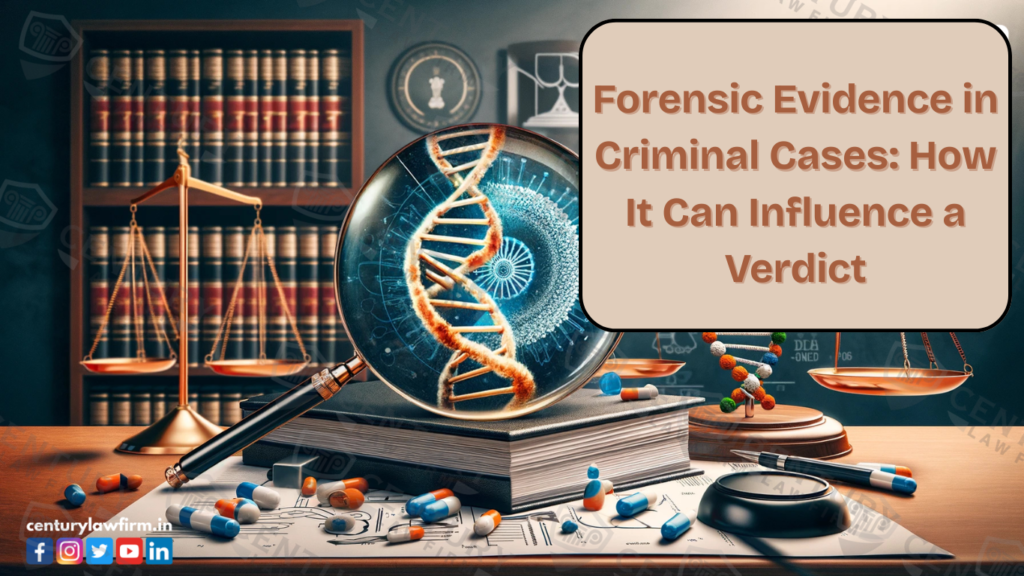
In the realm of Criminal Law, forensic evidence plays a crucial role in determining the guilt or innocence of a defendant. With advancements in forensic science, law enforcement agencies and courts rely heavily on physical evidence to establish facts in criminal cases. This blog explores the significance of forensic evidence, its different types, and how it influences the outcome of criminal trials.
What is Forensic Evidence?
Forensic evidence refers to scientific methods and techniques used to collect, analyze, and interpret physical evidence related to a crime. It serves as a bridge between science and Criminal Law, helping investigators and legal professionals uncover the truth. Unlike witness testimony, which can be subjective and unreliable, forensic evidence provides objective and measurable proof in a case.
Types of Forensic Evidence Used in Criminal Cases
There are several types of forensic evidence used in Criminal Law to build or refute a case. Some of the most common types include:
- DNA Evidence
- DNA profiling helps in identifying suspects or victims by analyzing biological samples like blood, hair, or saliva.
- It is one of the most reliable forms of forensic evidence as every individual’s DNA is unique.
- Fingerprint Analysis
- Fingerprints left at a crime scene can link a suspect to the crime.
- Modern techniques allow for the lifting of latent fingerprints from various surfaces.
- Ballistics Evidence
- In firearm-related crimes, ballistics experts analyze bullets, shell casings, and gunshot residues.
- This evidence helps determine the type of weapon used and its trajectory.
- Toxicology Reports
- These reports detect the presence of drugs, alcohol, or poisons in a victim’s system.
- They play a key role in cases involving overdoses, poisoning, or impaired driving.
- Forensic Pathology
- Autopsies conducted by forensic pathologists provide insights into the cause and time of death.
- This helps establish whether a death was natural, accidental, or a homicide.
- Digital Forensics
- With the rise of cybercrimes, digital forensic experts analyze computers, mobile devices, and online activity.
- This type of evidence is crucial in fraud, hacking, and identity theft cases.
How Forensic Evidence Influences a Verdict
Forensic evidence significantly impacts the decisions made in criminal trials. It can either strengthen the prosecution’s case or support the defense’s argument. Here’s how it influences the verdict:
1. Establishing Guilt or Innocence
Forensic evidence can provide irrefutable proof linking a suspect to a crime or exonerating an innocent person. DNA evidence, in particular, has been instrumental in overturning wrongful convictions.
2. Strengthening the Prosecution’s Case
Prosecutors rely on forensic evidence to establish a clear and convincing argument against the accused. The presence of a suspect’s DNA, fingerprints, or weapon traces at a crime scene can serve as compelling evidence of guilt.
3. Supporting the Defense
Defense attorneys use forensic evidence to challenge the prosecution’s claims. If forensic analysis reveals inconsistencies or alternative explanations, it can create reasonable doubt, leading to acquittal.
4. Determining Motive and Intent
Toxicology reports, autopsy findings, and ballistic analysis help in reconstructing the crime and determining the perpetrator’s intent. This is crucial in distinguishing between accidental deaths and premeditated murders.
5. Influencing Jury Perception
Jurors tend to give significant weight to forensic evidence, viewing it as credible and scientific. However, the defense can challenge forensic findings if errors in evidence collection or analysis are found.
Challenges and Limitations of Forensic Evidence
While forensic evidence is a powerful tool in Criminal Law, it is not without its challenges:
- Human Error: Mistakes in evidence collection, handling, or analysis can lead to wrongful convictions.
- Contamination Risks: Poor crime scene management can compromise the integrity of forensic evidence.
- Misinterpretation: Different forensic experts may have varying opinions on the same evidence.
- Technological Limitations: Some forensic techniques, such as bite mark analysis, have been criticized for their lack of reliability.
Conclusion
Forensic evidence is a cornerstone of Criminal Law, helping to uncover the truth and ensure justice is served. From DNA analysis to digital forensics, the scientific examination of evidence strengthens the credibility of legal proceedings. However, forensic evidence is not infallible and must be used in conjunction with other investigative methods to avoid wrongful convictions. As forensic science continues to evolve, its role in criminal justice will only become more significant in delivering fair and accurate verdicts.