
Electric Meter Tampering: Laws, Penalties, and How to Avoid Legal Trouble
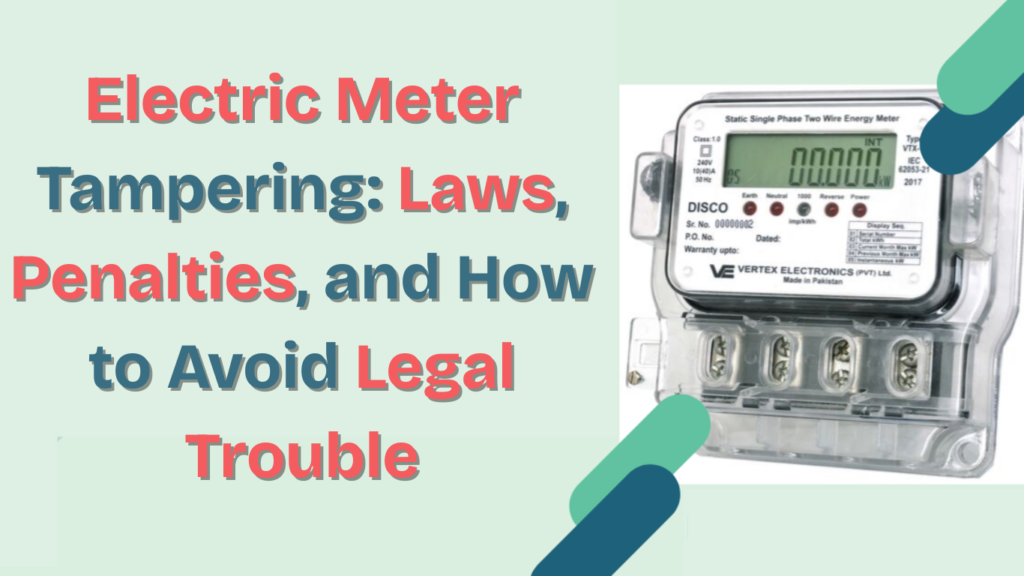
Electric meter tampering is a serious offense with severe legal and financial consequences. It involves altering, bypassing, or damaging an electric meter to reduce or avoid electricity charges. Authorities across various regions, including India, have strict regulations under Electricity Law to curb such activities. In this blog, we will explore the legal implications, penalties, and preventive measures associated with electric meter tampering.
Understanding Electric Meter Tampering
Electric meter tampering refers to any unauthorized interference with an electric meter to manipulate power usage readings. Common methods of tampering include:
- Placing magnets near the meter to slow down readings.
- Bypassing the meter to divert electricity without recording usage.
- Altering meter components to falsify power consumption.
- Using remote control devices to stop or manipulate readings.
Tampering not only affects power companies financially but also poses significant safety hazards, such as electrical fires and electrocution risks.
Laws Governing Electric Meter Tampering
Many countries, including India, have implemented strict Electricity Law provisions to prevent electricity theft and meter tampering. The Indian Electricity Act, 2003, specifically criminalizes such activities, treating them as theft of electricity. Under Section 135 of the Act, any individual found guilty of tampering with an electric meter can face severe legal actions, including fines and imprisonment.
Other international regulations also impose hefty penalties on individuals or businesses involved in electricity theft. The enforcement of these laws ensures fair power distribution and prevents illegal energy consumption.
Penalties for Tampering with an Electric Meter
The penalties for electric meter tampering vary depending on the severity of the offense and the region’s legal framework. Common consequences include:
- Heavy Fines: Authorities can impose substantial fines based on the amount of stolen electricity. These fines often include charges for the estimated power consumption during the tampering period.
- Imprisonment: In some cases, individuals guilty of tampering may face jail time, particularly if the offense involves large-scale electricity theft.
- Disconnection of Power Supply: Power companies have the right to disconnect services if tampering is detected. In some cases, reconnection requires paying a penalty and fulfilling legal obligations.
- Legal Action and Criminal Charges: Persistent offenders may face legal proceedings under Electricity Law, leading to a criminal record that can impact future employment or business operations.
How to Avoid Legal Trouble
To prevent any legal complications related to electric meter tampering, it is essential to:
- Use electricity legally: Always ensure that your power consumption is accurately recorded and billed.
- Report suspicious activities: If you notice illegal electricity connections or tampered meters, report them to the authorities to avoid being held accountable.
- Regularly check your meter: Keeping an eye on your electricity meter ensures that there are no unauthorized modifications.
- Follow energy regulations: Complying with local Electricity Law helps you stay within legal limits and prevents unnecessary penalties.
Conclusion
Electric meter tampering is a punishable offense under Electricity Law, with severe consequences ranging from fines and disconnections to imprisonment. To stay compliant and avoid legal trouble, it is crucial to use electricity responsibly and report any tampering incidents to the concerned authorities. Legal awareness and adherence to regulations can help prevent electricity theft while ensuring fair energy distribution for all.
For expert legal advice on electricity laws and related issues, consult Advocate P.S. Khurana, a leading legal expert in this field.