
Rent Agreements Explained: What Should Be Included in a Rental Contract?
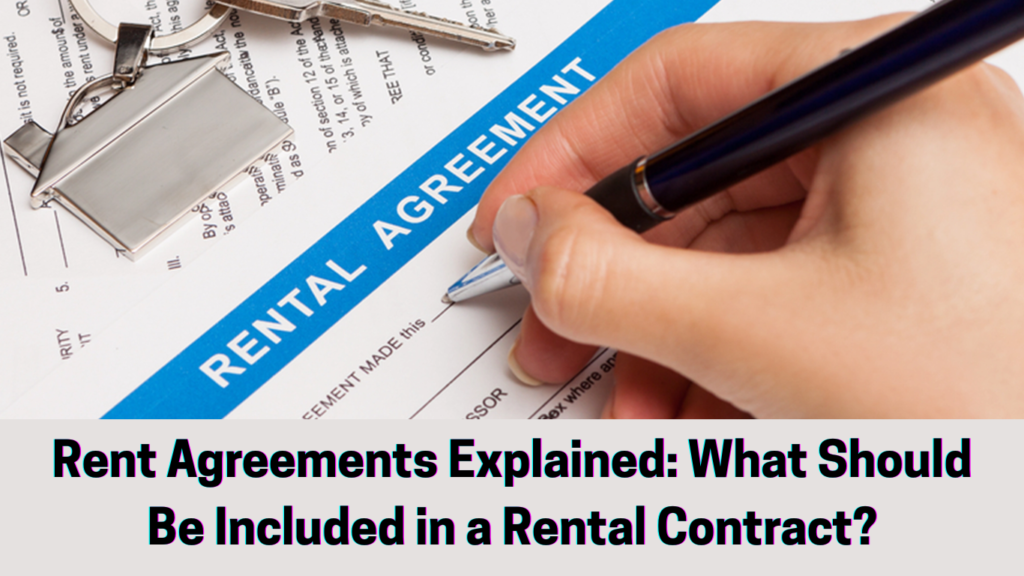
A rental contract, also known as a lease agreement, is a crucial document that defines the terms and conditions between a landlord and a tenant. A well-drafted rental contract ensures that both parties are aware of their rights and responsibilities, preventing disputes in the future. Understanding the essentials of a rental agreement is key to staying compliant with Rent Laws and avoiding legal issues.
Key Elements of a Rental Agreement
1. Basic Information of Both Parties
The agreement should clearly state the full legal names and contact details of both the landlord and tenant. This establishes accountability and serves as a reference in case of any legal disputes.
2. Property Details
A rental contract must include a precise description of the property, including its address, unit number (if applicable), and any shared areas like parking, gardens, or storage facilities.
3. Lease Duration
The lease term should specify whether it is a fixed-term agreement (such as six months or a year) or a month-to-month arrangement. Rent Laws in different regions may dictate certain minimum or maximum lease durations.
4. Rent Amount and Payment Terms
- Rent Amount: Clearly state the agreed-upon rent and whether it includes utilities or maintenance charges.
- Due Date: Specify the date by which the rent should be paid each month.
- Payment Method: Outline acceptable payment methods such as bank transfers, checks, or cash.
- Late Fees: Mention any penalties for delayed payments as per local Rent Laws.
5. Security Deposit Details
A rental agreement must outline:
- The exact amount of the security deposit.
- Conditions under which deductions may occur (e.g., property damage, unpaid rent).
- The timeframe and method for returning the deposit after the lease ends.
- Any legal provisions regarding security deposits as per Rent Laws.
6. Responsibilities for Repairs and Maintenance
- Landlord’s Duties: The agreement should mention that the landlord is responsible for major repairs and maintenance of essential services like plumbing, heating, and electricity.
- Tenant’s Duties: The tenant must keep the premises clean and notify the landlord of any necessary repairs.
- Alterations: Specify whether the tenant is allowed to make modifications to the property.
7. Rules on Subletting and Occupancy Limits
- Subletting: Some landlords prohibit subletting, while others allow it with prior written consent.
- Occupancy: Clearly state how many people are allowed to live in the rental unit to prevent overcrowding or lease violations.
8. Termination and Eviction Terms
The lease should specify:
- Notice period for termination (typically 30 to 60 days).
- Grounds for eviction, such as non-payment of rent, property damage, or illegal activities.
- Compliance with Rent Laws, which may regulate the eviction process to protect tenants from unlawful removal.
9. Pet Policy
If pets are allowed, the lease should specify:
- The types and number of pets permitted.
- Any additional fees or deposits required.
- Any pet-related restrictions based on property regulations.
10. Legal Disclosures and Compliance with Rent Laws
Depending on the jurisdiction, landlords may be required to include disclosures such as:
- Lead-based paint disclosure (for older properties).
- Mold, asbestos, or pest infestation history.
- Compliance with local Rent Laws, ensuring the lease adheres to tenant rights regulations.
Why a Well-Drafted Rental Agreement Matters
A comprehensive rental contract protects both landlords and tenants by setting clear expectations. It minimizes the risk of disputes and ensures compliance with Rent Laws, which safeguard tenant rights and regulate landlord obligations.
By ensuring all essential elements are included in the rental agreement, both parties can enjoy a smooth and legally sound rental experience.