
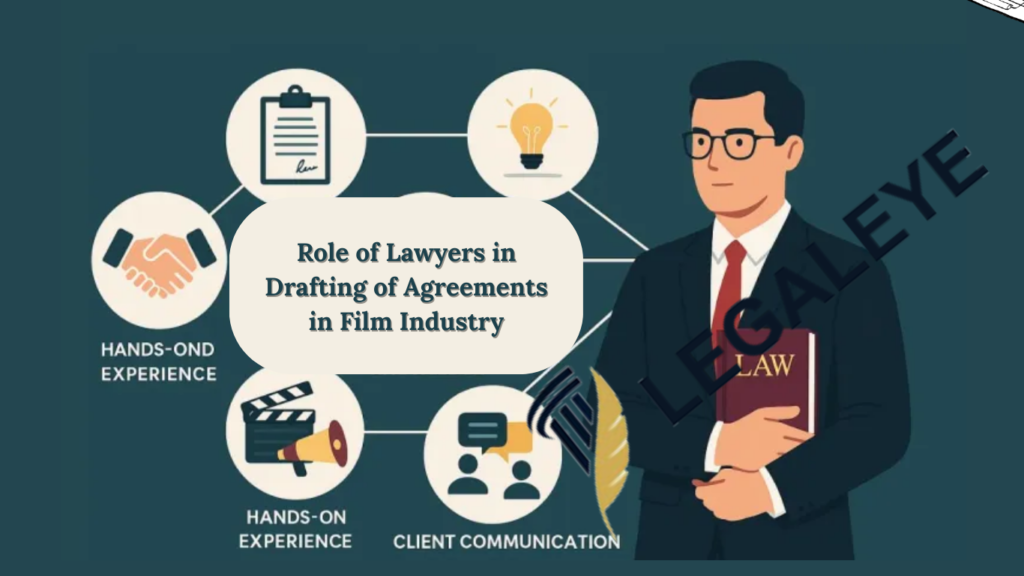
Role of Lawyers in Drafting of Agreements in Film Industry
Role of Lawyers in Drafting of Agreements in Film Industry -The film industry is a complex ecosystem involving producers, directors, actors, writers, musicians, technicians, distributors, and digital platforms. Behind the glamour and creativity lies a web of legal relationships that must be carefully managed to avoid disputes and financial losses. This is where the role of lawyers becomes indispensable. Lawyers play a critical role in the drafting of agreements in the film industry, ensuring that creative freedom is balanced with legal protection and commercial viability.
Understanding the Legal Framework of the Film Industry
Film projects involve multiple contracts at different stages—development, production, post-production, distribution, and exhibition. Each agreement carries legal, financial, and intellectual property implications. Lawyers with expertise in Media Law understand the statutory framework, industry practices, and judicial precedents governing film contracts. Their knowledge helps ensure compliance with the Indian Contract Act, Copyright Act, labour laws, and censorship regulations.
Without proper legal drafting, parties may face disputes over payments, ownership of rights, creative control, or breach of confidentiality. Lawyers help navigate these challenges by drafting clear, enforceable, and well-defined agreements.
Drafting Artist and Talent Agreements
One of the most important responsibilities of lawyers in the film industry is drafting artist agreements. These include contracts for actors, directors, writers, choreographers, and technicians. Lawyers define key clauses such as remuneration, duration of engagement, exclusivity, call sheets, credit obligations, and termination rights.
Special attention is given to exclusivity and non-compete clauses, which can significantly impact an artist’s career. Lawyers ensure that such clauses are reasonable, lawful, and mutually beneficial. By anticipating potential disputes, legal professionals protect both producers and artists from future litigation.
Protection of Intellectual Property Rights
Films are intellectual property–driven projects. Lawyers play a vital role in securing ownership and licensing of copyrights related to scripts, music, lyrics, background scores, and cinematography. Drafting precise IP clauses ensures that producers acquire clear rights while creators receive appropriate recognition and royalties.
In many disputes, ambiguity over copyright ownership becomes a major issue. Legal experts, including professionals like Advocate P.S. Khurana, emphasize the importance of unambiguous drafting to prevent infringement claims and revenue-sharing conflicts.
Production, Co-Production, and Financing Agreements
Film production often involves multiple investors, studios, and production houses. Lawyers draft production and co-production agreements that outline budget responsibilities, profit-sharing ratios, creative control, and risk allocation. These agreements are crucial for transparency and financial discipline.
Financing agreements also require careful drafting to protect investors’ interests, define recoupment schedules, and specify remedies in case of project delays or abandonment. Lawyers ensure that these contracts are commercially sound and legally enforceable.
Distribution, OTT, and Digital Rights Agreements
With the rise of OTT platforms, film distribution has expanded beyond traditional theatrical releases. Lawyers now draft complex agreements covering satellite rights, digital streaming rights, overseas distribution, and remake rights. These contracts must clearly define territory, duration, exclusivity, and revenue models.
Expert legal drafting ensures that producers maximize monetization while avoiding conflicts between distributors and digital platforms. Knowledge of evolving industry standards and Media Law principles is critical in this area.
Dispute Resolution and Risk Management
Another key role of lawyers is incorporating dispute resolution mechanisms into film agreements. Clauses related to arbitration, jurisdiction, and governing law help parties resolve conflicts efficiently without prolonged litigation. Lawyers also advise clients on risk mitigation by identifying potential legal vulnerabilities before contracts are executed.
Well-drafted agreements act as preventive tools, reducing the likelihood of disputes and protecting long-term business relationships within the industry.
Conclusion
The role of lawyers in drafting of agreements in the film industry extends far beyond paperwork. They act as strategic advisors, protectors of creative and commercial interests, and guardians against legal risk. From safeguarding intellectual property to structuring complex production and distribution deals, lawyers ensure that films are not only creatively successful but also legally secure.
In an industry where a single dispute can derail an entire project, professional legal drafting is not optional—it is essential. Experienced legal professionals, including Advocate P.S. Khurana, play a crucial role in ensuring that film agreements are clear, fair, and future-ready.