
Special Education Laws in India: Rights of Children with Disabilities
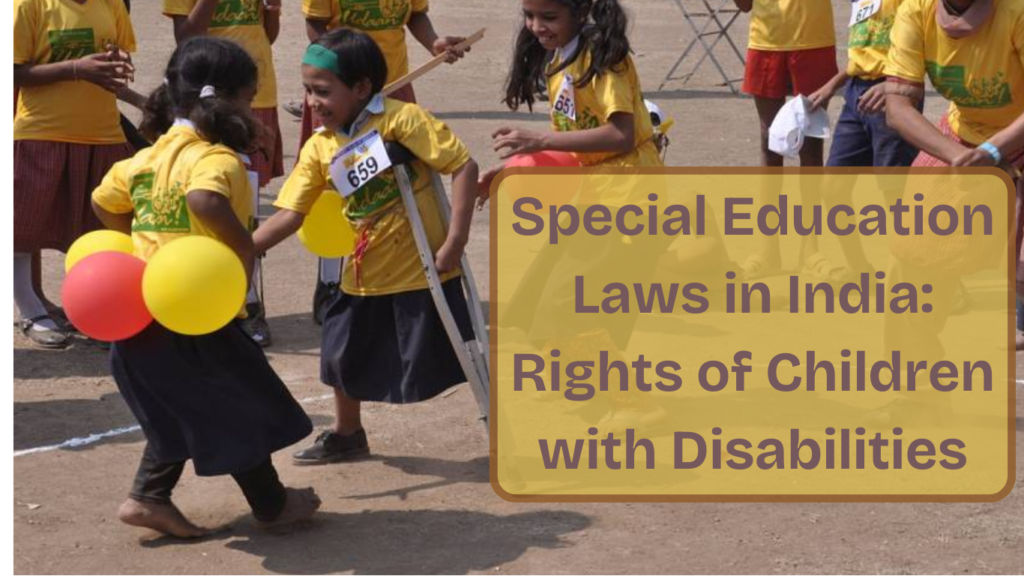
Education is a fundamental right for every child, including those with disabilities. In India, various Education Laws ensure that children with special needs receive equal opportunities in schooling and higher education. These laws provide a framework to support inclusive education, special schools, and necessary accommodations for students with disabilities.
Understanding Special Education Laws in India
India has made significant progress in creating legal provisions for children with disabilities. The Right of Children to Free and Compulsory Education (RTE) Act, 2009, along with the Rights of Persons with Disabilities (RPWD) Act, 2016, lays the foundation for inclusive education.
Key Special Education Laws in India
1. Right to Education (RTE) Act, 2009
The RTE Act, 2009 mandates free and compulsory education for all children aged 6 to 14 years, including those with disabilities. It ensures:
- Free admission to neighborhood schools.
- Special training for children with disabilities.
- Provisions for accessible infrastructure and learning materials.
2. Rights of Persons with Disabilities (RPWD) Act, 2016
The RPWD Act, 2016 is a landmark law that strengthens the rights of children with disabilities. Key provisions include:
- Inclusive education in mainstream schools.
- Special educators and trained teachers.
- Scholarships and financial support for disabled students.
3. National Policy on Education (NPE), 2020
The National Education Policy (NEP) 2020 promotes inclusive education by:
- Encouraging barrier-free access to schools.
- Enhancing teacher training for special education.
- Developing assistive technology and learning aids.
Rights of Children with Disabilities in Education
- Right to Inclusive Education: Every child has the right to study in a regular school with necessary support.
- Right to Special Educators: Schools must have trained teachers to assist children with disabilities.
- Right to Free Learning Materials: Government schools provide free textbooks, Braille books, and assistive devices.
- Right to Non-Discrimination: No child can be denied admission due to their disability.
- Right to Examination Accommodations: Children with disabilities are entitled to extra time, scribes, and accessible exam formats.
Challenges in Implementing Special Education Laws
Despite strong legal provisions, implementation challenges persist:
- Lack of Awareness: Many parents and teachers are unaware of existing Education Laws.
- Insufficient Infrastructure: Schools often lack ramps, accessible toilets, and assistive technology.
- Shortage of Special Educators: There is a gap in trained professionals to support children with disabilities.
- Discrimination and Social Stigma: Many children still face exclusion from mainstream education due to biases.
Government Initiatives for Special Education
To strengthen the impact of Education Laws, the government has introduced several initiatives:
- Samagra Shiksha Abhiyan: Focuses on inclusive education and infrastructure development.
- Sugamya Bharat Abhiyan (Accessible India Campaign): Aims to make schools and public places more accessible.
- Scholarships for Disabled Students: Financial aid programs for higher education.
Conclusion
India’s Education Laws provide a strong foundation for the rights of children with disabilities. However, effective implementation, awareness, and social acceptance are crucial to achieving true inclusivity in education. By ensuring equal opportunities, India can empower every child to reach their full potential, regardless of their abilities.