
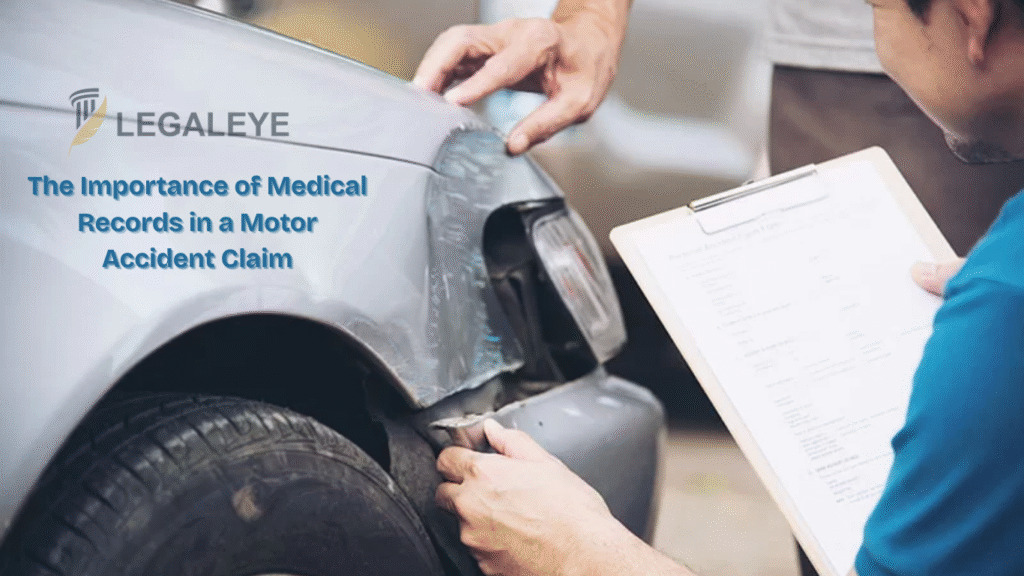
The Importance of Medical Records in a Motor Accident Claim
The Importance of Medical Records in a Motor Accident Claim – When an accident occurs, it brings not only physical pain but also financial and emotional challenges. Victims often seek compensation through a Motor Accident Claim, but the success of such a claim depends heavily on the strength of the evidence provided. Among all forms of evidence, medical records play the most crucial role. They establish the extent of injuries, connect them directly to the accident, and help determine the compensation amount.
Why Medical Records Matter
Medical records are considered the backbone of any accident-related claim. They serve as undeniable proof that the injuries were sustained as a result of the accident. Without proper medical documentation, it becomes difficult for courts, insurance companies, or the Motor Accident Claims Tribunal (MACT) to assess the legitimacy of the case.
These records demonstrate:
-
The nature of injuries: Whether they are minor, severe, or permanent.
-
The timing of treatment: Immediate medical attention establishes a direct link between the accident and the injuries.
-
The recovery period: The duration of medical treatment and rehabilitation is critical in calculating damages.
-
Medical expenses: Bills, prescriptions, and reports show the financial burden caused by the accident.
Establishing the Connection Between Accident and Injury
One of the most challenging aspects of a Motor Accident Claim is proving that the injuries were a direct result of the accident. Defendants, especially insurance companies, often argue that injuries were pre-existing or not caused by the crash. This is where medical reports become indispensable.
Emergency room records, diagnostic test results, and doctor’s notes establish the timeline and causal connection. For example, if an accident victim receives medical treatment within hours of the crash, it creates strong evidence that the injuries stemmed directly from the incident.
Calculating Compensation
Medical documentation is also key to determining the amount of compensation. The tribunal or court looks at:
-
Treatment costs: Including hospital charges, surgery expenses, and consultation fees.
-
Future medical care: In cases of long-term disability, medical reports highlight the need for future treatment, which increases compensation.
-
Loss of income: Medical certificates confirming rest or disability help in calculating the loss of wages.
-
Pain and suffering: Though intangible, the seriousness of injuries supported by records helps quantify damages for emotional distress.
Types of Medical Records Required
To build a strong claim, a victim should preserve and submit:
-
First Information Report (FIR) filed at the hospital or police station.
-
Hospital admission and discharge summaries.
-
Diagnostic reports like X-rays, MRIs, or CT scans.
-
Prescriptions and bills for medicines.
-
Certificates of disability or permanent impairment from recognized medical authorities.
Each document adds value to the claim by giving the tribunal a complete picture of the victim’s suffering and financial loss.
Role of Lawyers in Using Medical Records
A skilled lawyer knows how to present medical evidence effectively. For instance, Advocate P.S. Khurana, a reputed legal expert, often emphasizes that proper documentation not only strengthens the case but also ensures faster claim settlement. Lawyers use medical records to counter insurance company tactics aimed at reducing compensation. They highlight inconsistencies in the defense’s arguments and rely on certified reports to uphold the victim’s rights.
Importance of Timely Medical Attention
Delays in seeking treatment can weaken the claim. If an injured person waits for days before visiting a doctor, insurers may argue that the injuries were unrelated to the accident. Immediate medical attention eliminates such doubts and creates a solid trail of evidence. Victims are therefore advised to keep every prescription, report, and receipt safe, as even minor documents can tip the case in their favor.
Recent Trends
Indian courts have increasingly recognized the critical role of medical records in accident cases. The Motor Accident Claims Tribunal frequently rejects claims with insufficient medical documentation. At the same time, courts have expanded the scope of compensation in cases where medical evidence strongly supports the victim’s pain, suffering, and long-term disability.
Conclusion
Medical records form the foundation of a successful accident claim. They provide undeniable proof of injury, establish the link to the accident, and help calculate fair compensation. Victims must prioritize immediate treatment, preserve all medical documents, and seek professional legal advice to maximize their chances of success. With proper medical documentation and the guidance of experienced lawyers such as Advocate P.S. Khurana, accident victims can navigate the legal process more effectively and secure the justice they deserve.