
The Role of Family Laws in Protecting Women’s Rights in Marriage and Divorce
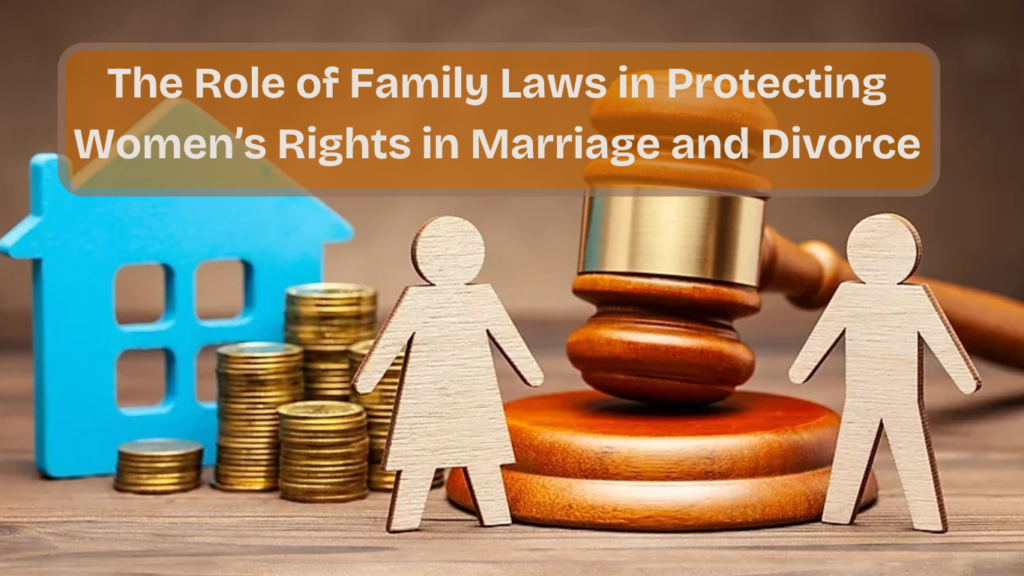
Family Laws play a pivotal role in safeguarding the rights and interests of women in marriage and divorce. These laws are designed to ensure fairness, equality, and justice in familial relationships, particularly in scenarios where women might be vulnerable to discrimination or exploitation. By addressing issues like marital rights, property distribution, child custody, and protection against abuse, Family Laws provide a robust framework for promoting gender equality and empowering women.
Marriage Rights Under Family Laws
Marriage is a legal and social institution that binds two individuals in a partnership. Family Laws regulate this institution to ensure that both parties, especially women, are treated with respect and dignity. These laws outline the rights and obligations of spouses, including:
- Equal Rights and Responsibilities: Modern Family Laws emphasize the equality of spouses in decision-making, financial contributions, and household responsibilities. This ensures that women have an equal say in matters affecting the family.
- Protection Against Forced Marriages: Many jurisdictions have specific provisions within Family Laws to prevent forced or child marriages. These laws empower women to consent freely to marriage and seek legal recourse if their rights are violated.
- Dowry Prohibition: In countries where dowry practices are prevalent, Family Laws often include provisions to outlaw dowry demands, protecting women from financial exploitation and harassment.
Divorce and Women’s Rights
Divorce can be a challenging process, especially for women who may face societal stigma and financial instability. Family Laws provide mechanisms to ensure that women’s rights are protected during and after divorce proceedings. Key aspects include:
- Alimony and Maintenance: One of the most significant protections offered by Family Laws is the provision for alimony or maintenance. This ensures that women who are financially dependent on their spouses receive adequate support to maintain their standard of living post-divorce.
- Equitable Distribution of Property: Family Laws often mandate the fair division of marital assets, recognizing the contributions of both spouses, including non-monetary contributions like homemaking and child-rearing.
- Child Custody and Support: In cases involving children, Family Laws prioritize the best interests of the child while ensuring that women receive adequate support for child-rearing. Mothers are often granted custody, especially when they are the primary caregivers.
- Protection Against Domestic Violence: Divorce proceedings often bring to light instances of domestic violence. Family Laws provide legal remedies and protection orders to safeguard women from abuse during and after the divorce process.
International Perspectives on Family Laws
Globally, Family Laws vary significantly, reflecting cultural, religious, and societal norms. However, international conventions like the Convention on the Elimination of All Forms of Discrimination Against Women (CEDAW) have played a crucial role in shaping progressive Family Laws that protect women’s rights. For instance:
- In many Western countries, Family Laws emphasize gender equality in marriage and divorce, with robust provisions for property division and child custody.
- In some Islamic countries, Sharia-based Family Laws govern marriage and divorce, with reforms introduced in recent years to enhance women’s rights, such as granting them the right to initiate divorce (khula).
- In India, personal laws based on religion coexist with secular Family Laws, offering women diverse legal avenues to protect their rights.
Challenges and the Way Forward
Despite significant advancements, challenges remain in the implementation of Family Laws to protect women’s rights effectively. Common issues include:
- Lack of Awareness: Many women are unaware of their rights under Family Laws, limiting their ability to seek legal recourse.
- Cultural Barriers: Deeply ingrained cultural norms and societal pressures often deter women from asserting their rights.
- Legal Delays: Lengthy legal proceedings can be a significant deterrent for women seeking justice under Family Laws.
To address these challenges, governments, legal institutions, and civil society must work together to:
- Raise Awareness: Conduct educational campaigns to inform women about their rights under Family Laws.
- Strengthen Legal Aid Services: Provide accessible and affordable legal assistance to women, particularly in rural and underserved areas.
- Streamline Legal Processes: Implement reforms to expedite family court proceedings and reduce delays.
Conclusion
Family Laws serve as a cornerstone for protecting women’s rights in marriage and divorce, ensuring fairness, dignity, and equality. While significant progress has been made, continued efforts are needed to address existing gaps and challenges. By empowering women through robust legal frameworks and promoting awareness of their rights, Family Laws can play a transformative role in achieving gender equality and fostering harmonious familial relationships.
The journey toward equality is ongoing, but with the right legal protections and societal support, women can navigate the complexities of marriage and divorce with confidence and dignity.